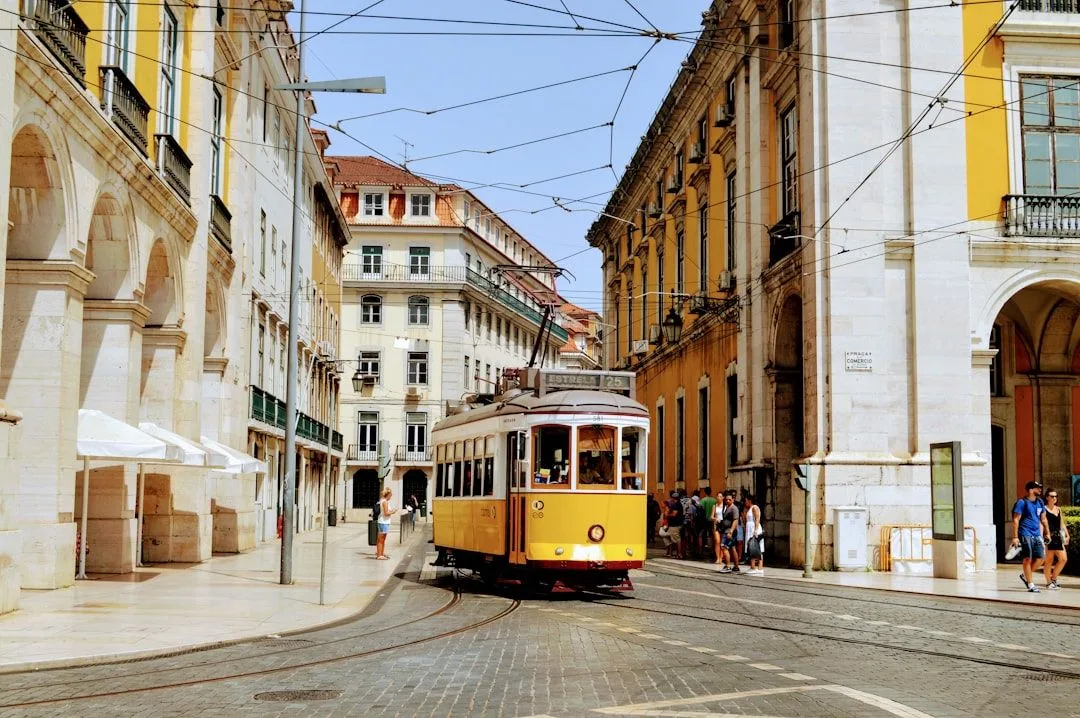
Portugal is small, well connected by train in the middle, and thin on public transport in the interior. A fourteen-day route works best running north to south, ending at an airport you can fly home from, and switching from trains to a car for the stretch where the trains stop being useful.
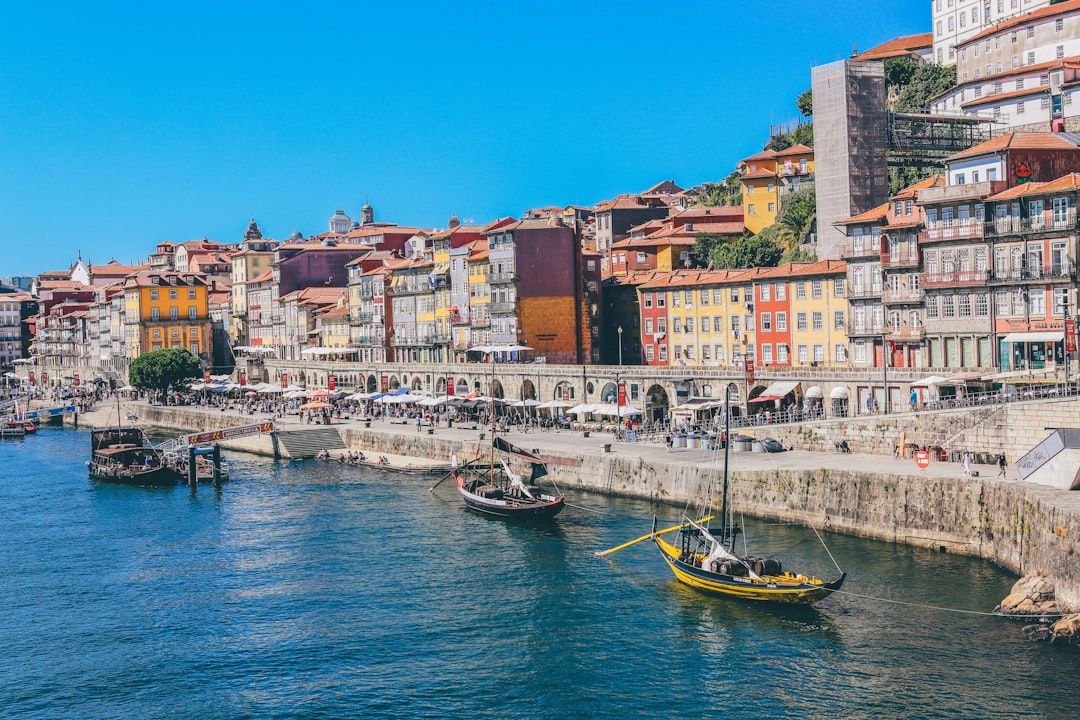
Days 1–4: Porto and the Douro
Days 1–2: Porto. São Bento station and its azulejos, the Ribeira waterfront, the Clérigos tower, and Vila Nova de Gaia across the bridge for the port lodges. Cross on the upper deck of the Dom Luís I bridge for the view.
Porto rewards slow walking. The Cordoaria and Miragaia districts are quieter than the Ribeira and better for eating. A francesinha once is obligatory; twice is ambitious.
Days 3–4: the Douro. Train from São Bento to Pinhão, about two hours, with the last 45 minutes running beside the river through terraced vineyards. Two nights at a quinta, a tasting or two, and a boat trip on the river. This is the part of the country people are most surprised by.
Days 5–6: Coimbra and the centre
Back through Porto and south by train. Coimbra has Portugal's oldest university and the Joanina Library, a baroque room where a colony of bats eats the insects that would otherwise eat the books. Genuinely.
If you would rather have coast, swap Coimbra for Aveiro with its canals and the striped fishermen's houses at Costa Nova, or the surf town of Nazaré, where the winter waves are among the largest surfed anywhere.
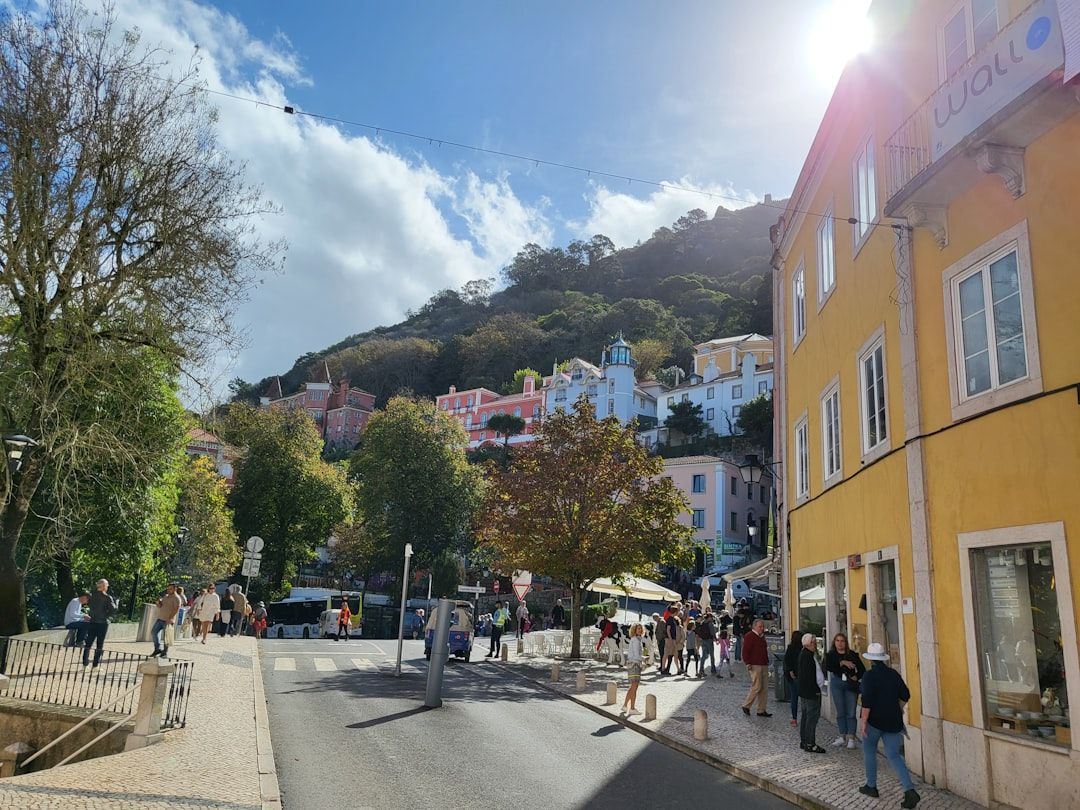
Days 7–10: Lisbon and Sintra
Train to Lisbon, roughly 1h45 from Coimbra.
Day 7. Alfama, the castle, the viewpoints. Tram 28 early or not at all.
Day 8. Belém — the Jerónimos monastery, the tower, the pastéis. Afternoon at LX Factory or the MAAT.
Day 9. Sintra as a full day. Pena Palace and Quinta da Regaleira, booked ahead, arriving early. The palaces are spread over a wooded hill with slow shuttles, so two sites is the realistic count.
Day 10. Either a second Lisbon day for the neighbourhoods you missed — Príncipe Real, Graça, the Feira da Ladra flea market on Tuesday and Saturday — or the coast at Cascais and Cabo da Roca.
Days 11–12: the Alentejo, by car
Pick up a rental in Lisbon. This is where a car stops being optional.
Évora is the anchor: a walled town with a Roman temple in the middle and the Capela dos Ossos, a chapel lined with the bones of five thousand monks. From there, Monsaraz on its hilltop above the Alqueva reservoir — one of Europe's certified dark-sky areas, so worth a night for the stars — and the marble towns of Estremoz and Vila Viçosa.
The Alentejo is cork oak, wheat and long straight empty roads. It is the least visited part of mainland Portugal and, for a lot of people, the part they remember.
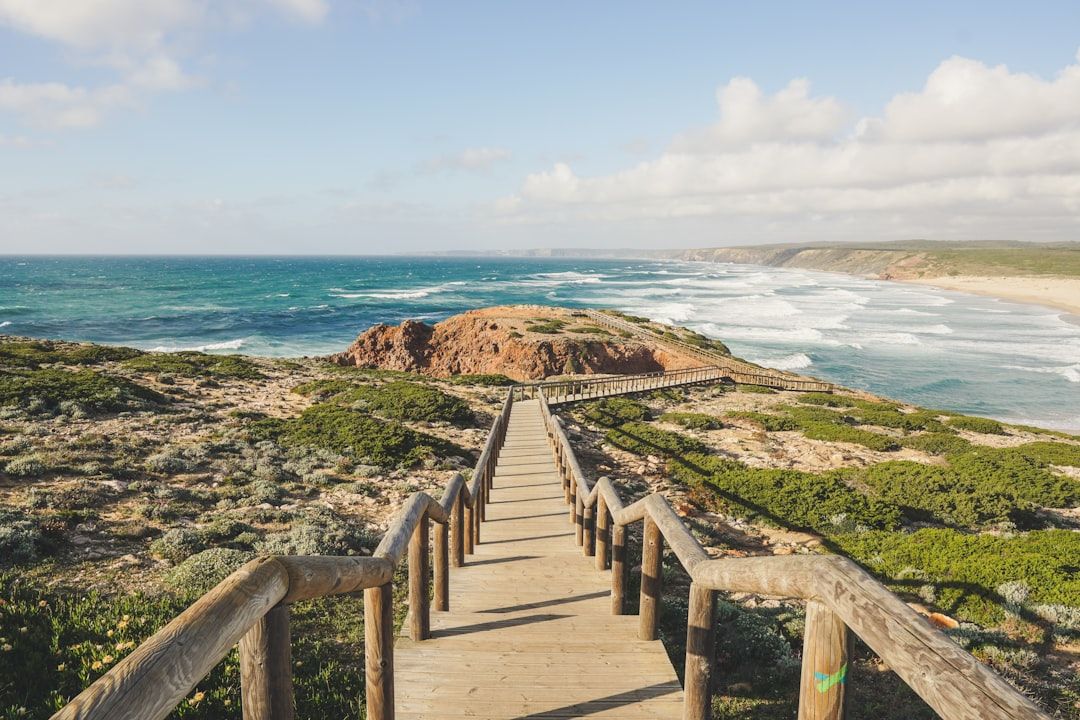
Days 13–14: the Algarve
Drive south. Skip the developed centre around Albufeira and head west: Lagos for the cliffs and Ponta da Piedade, Sagres for the end-of-the-world headland, and the Costa Vicentina up the west coast for wild, undeveloped beaches with Atlantic surf.
Fly home from Faro. Returning to Lisbon costs a full day for nothing.
Logistics
| Leg | Mode | Time |
|---|---|---|
| Porto → Pinhão | Train | ~2h |
| Porto → Coimbra | Train | ~1h10 |
| Coimbra → Lisbon | Train | ~1h45 |
| Lisbon → Évora | Car | ~1h30 |
| Évora → Lagos | Car | ~2h45 |
Book Alfa Pendular trains a week or more ahead for the cheaper fares. Rent the car from a Lisbon city depot on the morning you leave rather than paying to garage it for four nights.
Tolls. Portuguese motorways use barrier-free electronic tolls with no cash option. Ask for the transponder at the rental desk and confirm it is active, or the fines arrive later with an administration fee attached.