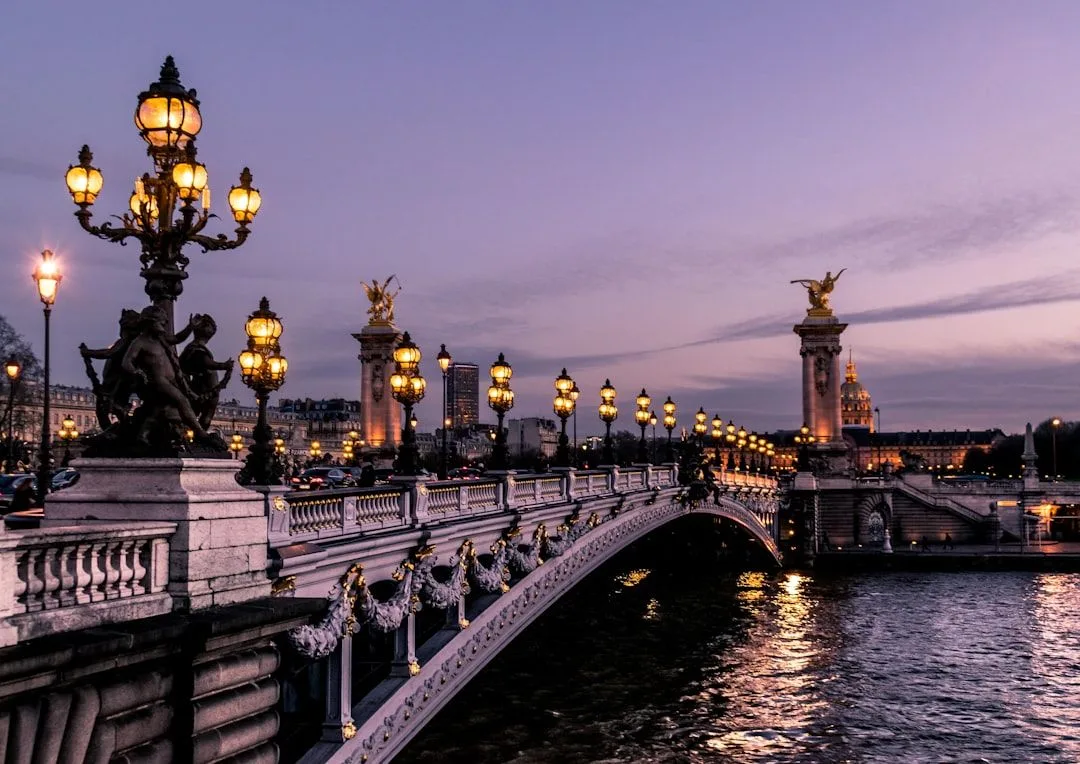
Three days is tight for Paris but workable, provided you make two decisions early: book the Eiffel Tower and the Louvre with timed entry before you arrive, and give up on seeing the Louvre properly. Everything else can be walked to.
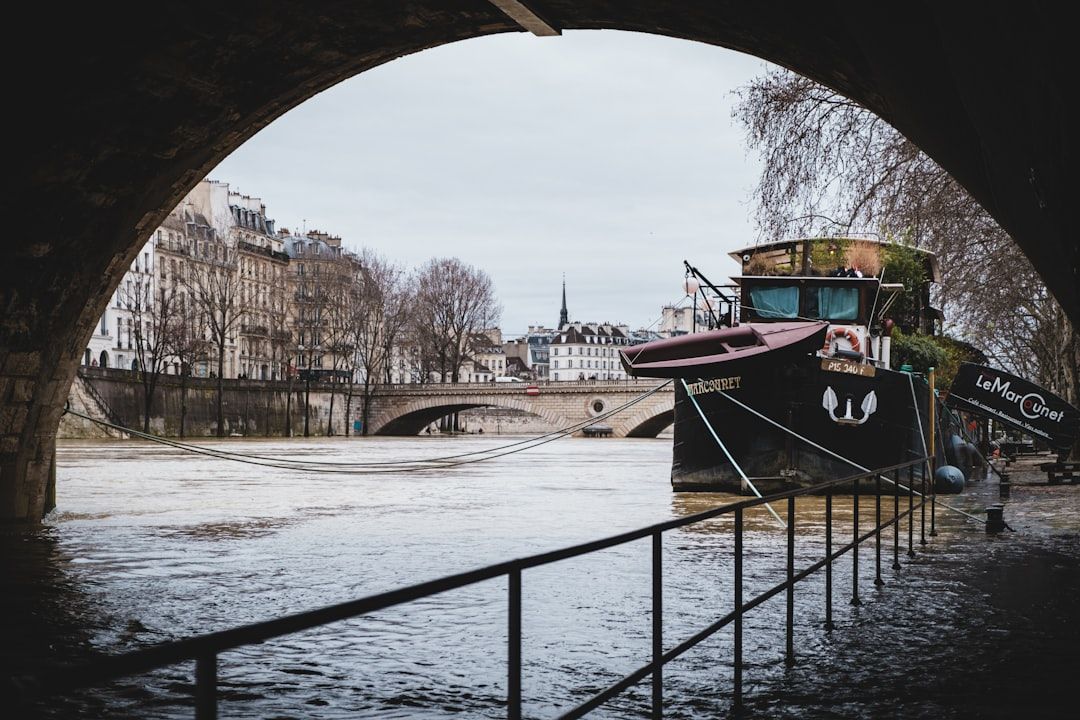
Day 1 — Islands, Latin Quarter, Saint-Germain
Start on Île de la Cité. Notre-Dame's exterior and the square in front are worth the visit regardless of interior access, which has been staged since the reconstruction. Two hundred metres away, Sainte-Chapelle is the one most visitors skip and should not: fifteen metres of 13th-century stained glass on all sides, and on a bright morning it is the single most striking interior in the city. Book it.
Cross to the Left Bank into the Latin Quarter. Shakespeare and Company, the Panthéon, the Sorbonne streets. Wander south to the Jardin du Luxembourg and sit for a while — the green metal chairs are free and moving one to where you want it is a local ritual.
Evening in Saint-Germain-des-Prés. The famous cafés — Flore, Deux Magots — charge a premium for the address; one drink is a reasonable tourist tax, dinner is not.
Day 2 — The Louvre, Tuileries, Champs-Élysées
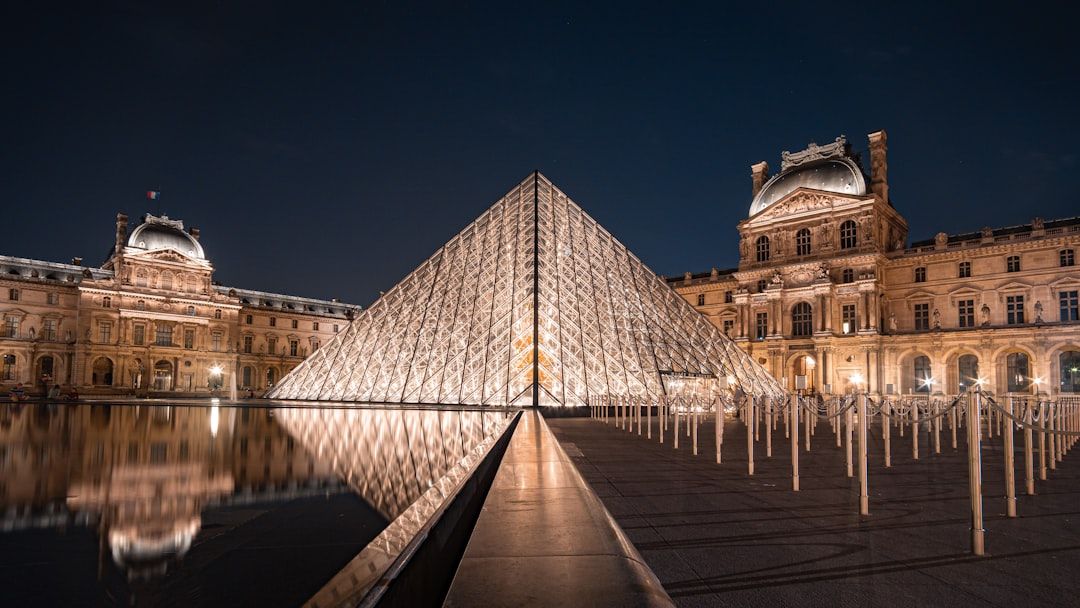
Louvre first, on a timed slot, ideally the 9am opening. Two to three hours maximum. Choose a wing before you go in:
Denon for Italian Renaissance painting, the Mona Lisa and Winged Victory. Most crowded.
Sully for Egyptian antiquities and the medieval Louvre foundations. Calmer.
Richelieu for French painting, Mesopotamia and Napoleon III's apartments. Quietest of the three.
Use the Carrousel du Louvre or Porte des Lions entrances rather than the Pyramid if the queue is bad.
Then walk out into the Tuileries, up through Place de la Concorde and along the Champs-Élysées to the Arc de Triomphe. The avenue itself is a chain-store street and slightly disappointing; the Arc is not, and the rooftop view is better than the Eiffel Tower's for one specific reason — from up there the Eiffel Tower is in the picture.
Do not attempt to cross the roundabout at street level. There is an underpass.
Day 3 — Eiffel Tower, Orsay, Montmartre
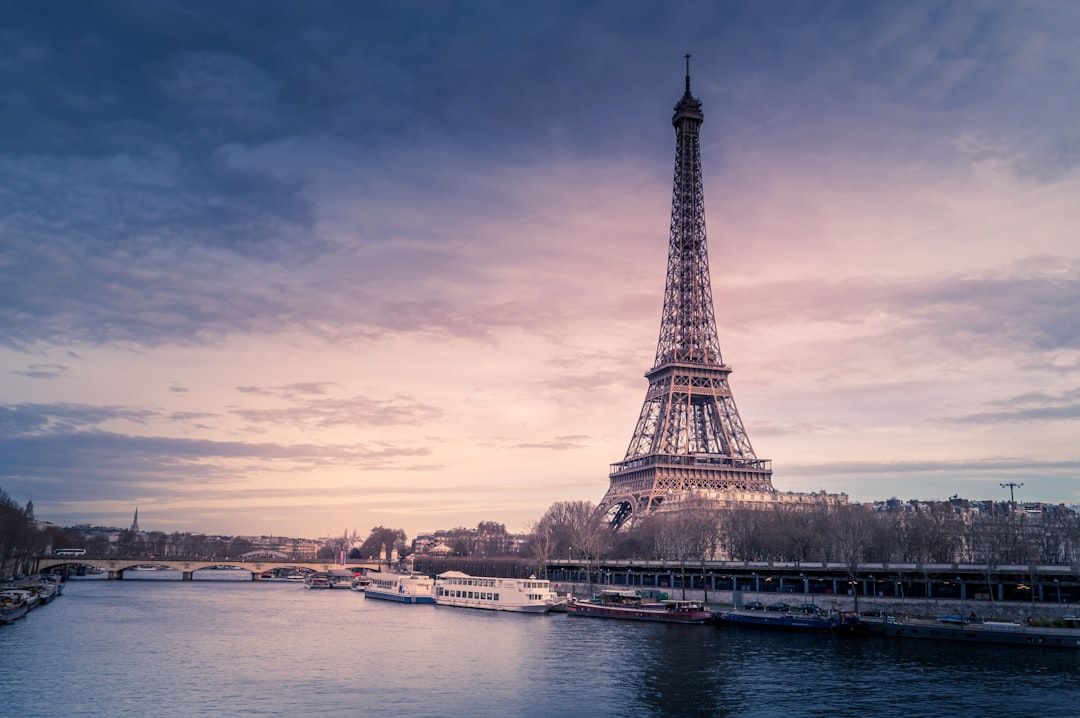
Eiffel Tower on a booked slot. If the summit is sold out, second level is genuinely fine — you are inside the structure rather than above it, which many people prefer. Alternatively skip going up entirely and view it from the Trocadéro across the river, which is where the photographs come from.
Walk east along the Seine to the Musée d'Orsay, which is the museum most visitors enjoy more than the Louvre: a converted railway station holding the Impressionists, at a scale you can actually finish. Two hours.
Afternoon in Montmartre. Take the Métro to Abbesses, walk up through the streets rather than arriving at Sacré-Cœur from the front, and the neighbourhood reveals itself properly. Place du Tertre is a tourist trap with portrait artists; the streets two minutes off it are not.
The passes and tickets, plainly
| Item | Book ahead? | Note |
|---|---|---|
| Eiffel Tower | Yes, weeks | Not covered by Museum Pass |
| Louvre | Yes, timed | Required even with the pass |
| Sainte-Chapelle | Yes | Small, queues badly |
| Catacombs | Yes | Long walk-up queues |
| Musée d'Orsay | Optional | Usually under 20 min |
| Pompidou | Optional | Rarely a problem |
The Museum Pass makes sense from three museums onward and mainly buys queue-skipping.
Getting around
Paris is smaller than it feels and walking is genuinely the best way to cover it. Where you need the Métro, buy a carnet of ten tickets or load a Navigo Easy card rather than single fares. Trips are flat-rate within the city.
Two habits worth having: greet with bonjour before asking anything, in every shop and every interaction — its absence is what reads as rude rather than the language itself. And in cafés, the price differs depending on whether you stand at the bar or sit at a table, which is legal and posted.