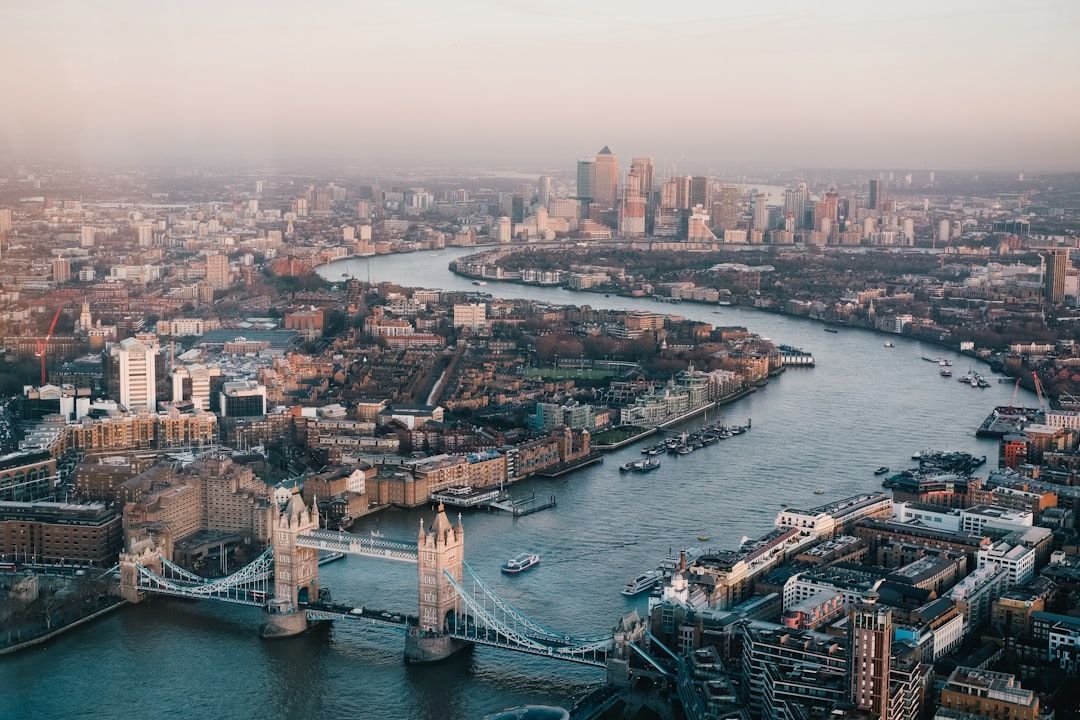
London punishes a landmark-ordered itinerary. The sights that appear consecutively in guidebooks are frequently 40 minutes apart, and a plan built from a wishlist rather than a map loses two hours a day to the Underground. This route groups by district, so each day is mostly walking.
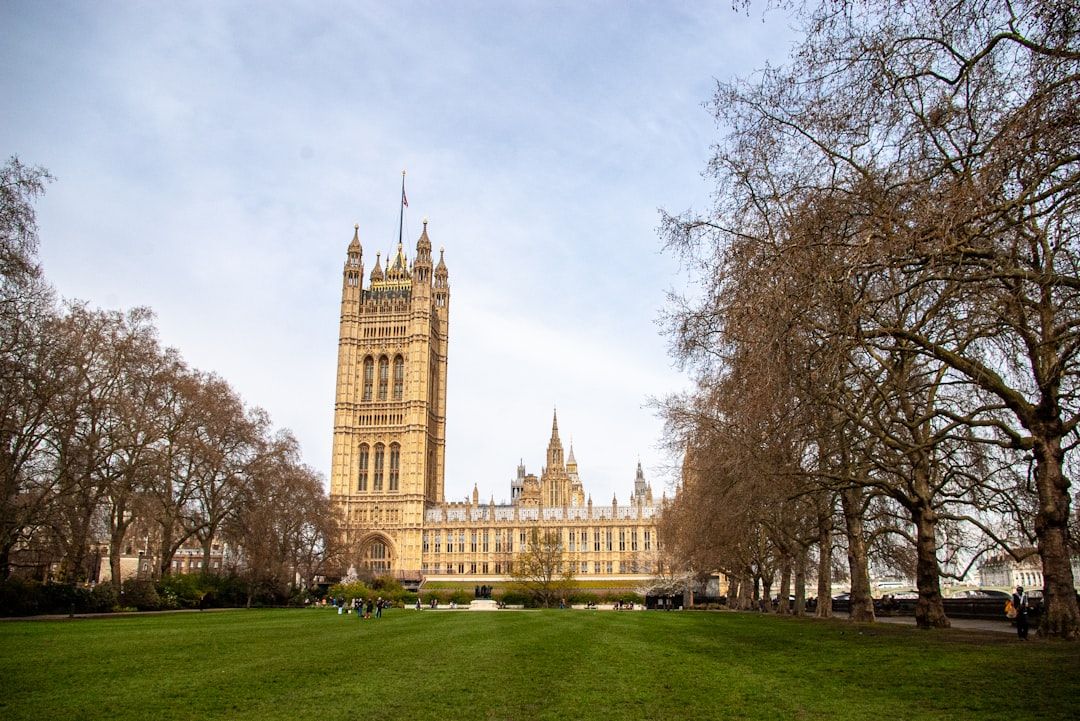
Day 1 — Westminster and the South Bank
Start at St James's Park, walk to Buckingham Palace, then down Whitehall past Downing Street to Parliament Square. Big Ben and the Houses of Parliament, then Westminster Abbey — book this, the queue is long and it is worth going inside.
Cross Westminster Bridge to the South Bank and turn left. The walk east along the river to Tate Modern is one of the best in the city: the London Eye, the Southbank Centre's book market under Waterloo Bridge, the National Theatre, then Gabriel's Wharf and the Millennium Bridge with St Paul's framed at the far end.
Tate Modern is free. Finish at Borough Market if it is a weekday — it closes Sunday and is busiest Saturday.
Day 2 — The City and the Tower
The Tower of London first, at opening, booked ahead. It fills by 11am and the Crown Jewels queue is the bottleneck. Two to three hours.
Then Tower Bridge, and walk northwest into the City — the financial district, which is nearly empty at weekends and full of glass towers on weekdays. Leadenhall Market, the Lloyd's building, the Gherkin. Continue to St Paul's Cathedral; the dome climb is 528 steps and the view is worth it.
End in Clerkenwell or Shoreditch for dinner, both a 20-minute walk north.
Day 3 — Museums and Kensington
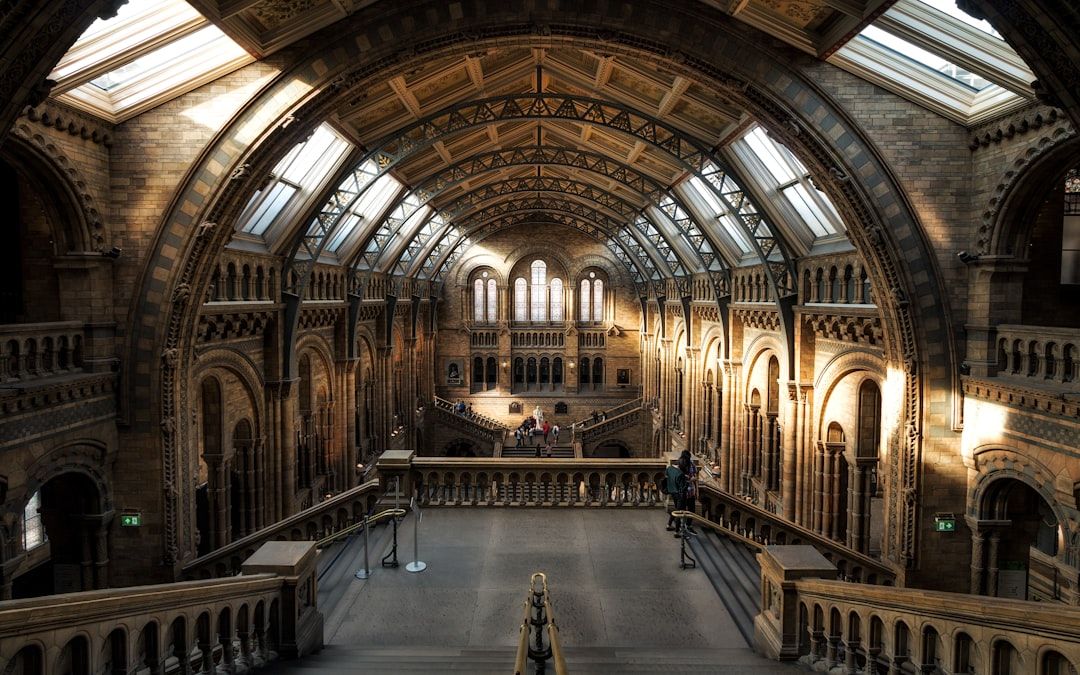
South Kensington has three major museums within 300 metres of each other, all free: the Natural History Museum, the Science Museum and the V&A. Attempting all three in a day is a mistake — pick one, or two at most.
The Natural History Museum suits children and has the longest queues; book a free timed slot. The V&A is the better choice for most adults and is far less crowded.
Afterwards, walk through Hyde Park to Kensington Gardens and the Serpentine, or go north into Notting Hill. Portobello Road market runs Saturday; on other days the street is still pleasant but quiet.
Day 4 — Day trip
Five days is enough to spend one outside the city.
| Destination | Train time | Why |
|---|---|---|
| Greenwich | 25 min (DLR/boat) | Observatory, park, naval college; barely a trip at all |
| Oxford | 1h | Colleges, walkable, easy return |
| Bath | 1h30 | Roman baths, Georgian architecture |
| Windsor | 1h | Castle, short and simple |
| Cambridge | 50 min | Punting, colleges, quieter than Oxford |
Greenwich is the efficient pick — take the Thames Clipper down and the DLR back, and you get the river as part of the day. Bath is the most rewarding if you want somewhere that feels genuinely different from London.
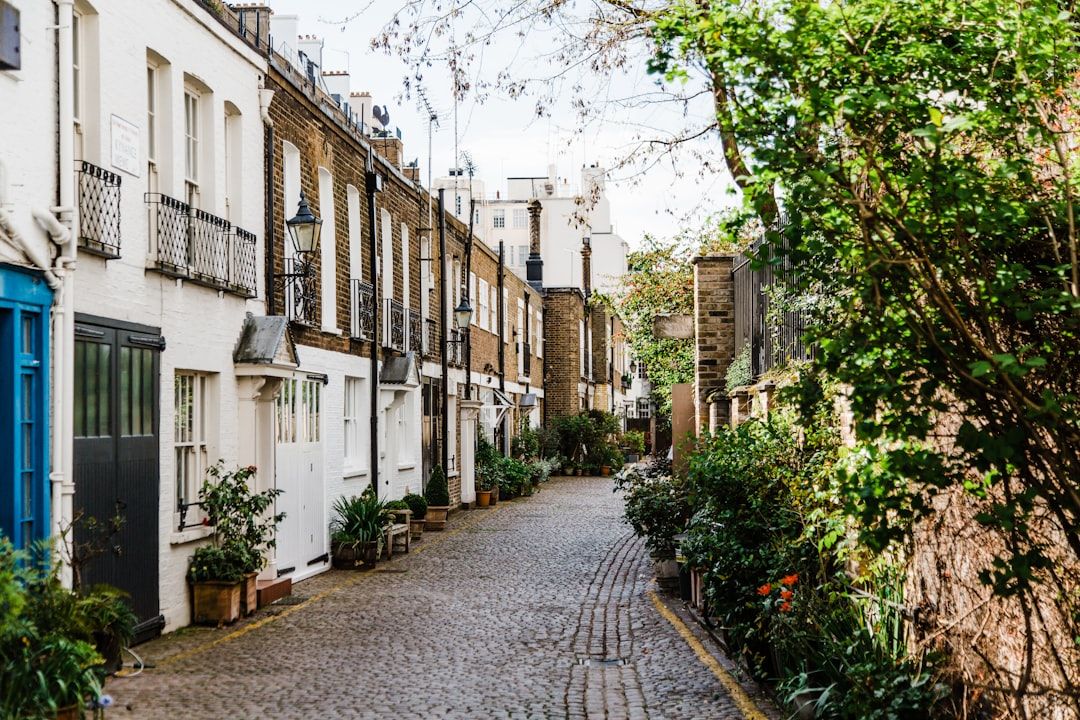
Day 5 — Bloomsbury, Covent Garden, and whatever you missed
The British Museum in the morning, free, timed slot advisable. Do not attempt the whole thing: pick three or four galleries. The Rosetta Stone, the Parthenon sculptures and the Egyptian rooms are the obvious core, and two hours is a sensible ceiling.
Walk south through Bloomsbury to Covent Garden, then to Soho and Chinatown. The National Gallery on Trafalgar Square is free and open late on Fridays, which makes it a good end-of-trip stop.
Evening: a West End show, booked ahead. Same-day discounted tickets are available from the official TKTS booth in Leicester Square — the street touts nearby are not the same thing.
Practicalities
Transport. Tap in and out with a contactless bank card or phone. It is the cheapest fare available and it caps automatically at around £8.90 a day for zones 1–2 and about £44.70 a week. Oyster cards and paper Travelcards offer no advantage. Buses cap separately and lower, at roughly £5.25 a day, and the top deck of a route like the 11 or the 15 is a sightseeing tour for the price of a fare.
Where to stay. South Bank or Southwark for walkability to Days 1 and 2. Bloomsbury for the museums and good transport. King's Cross if you are doing several day trips. Avoid anywhere marketed as "near London" in zones 5 and 6 — the nightly saving is erased by the commute.
What actually needs booking: Tower of London, Westminster Abbey, the Eye, and theatre. Everything else on this route is free or walk-up.