Two weeks is close to ideal for a first trip to Japan: long enough to slow down, short enough that you have to choose. The two decisions that shape it are how you buy rail travel and how many bases you use.
Days one to four: Tokyo
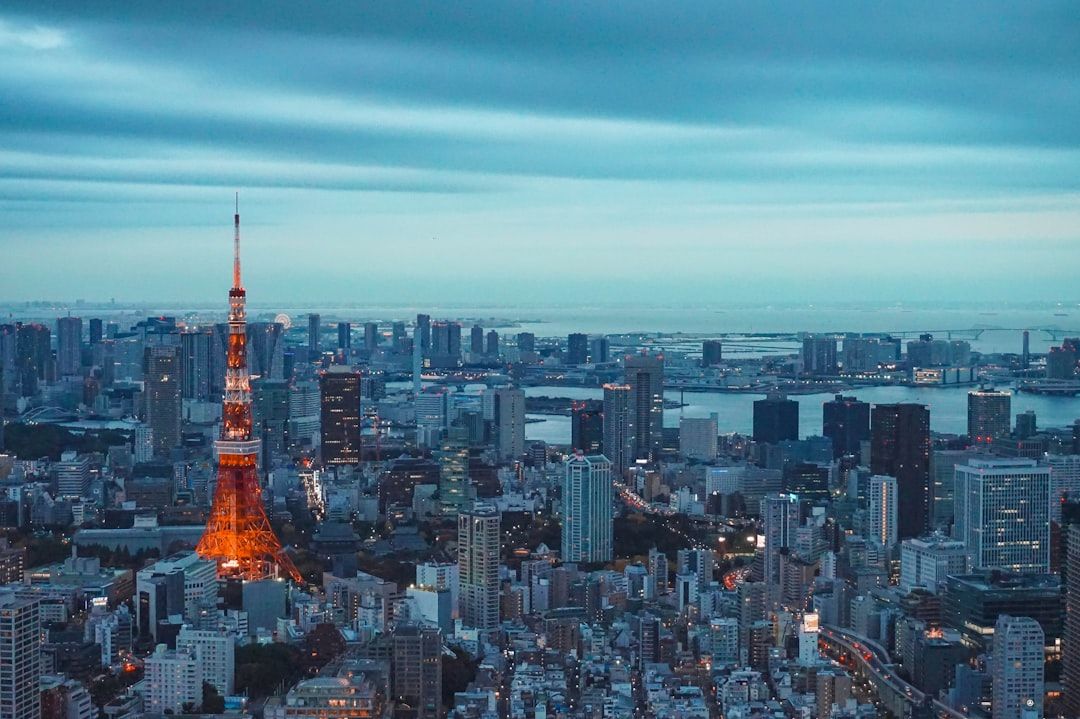
Give it four nights, and use them on neighbourhoods rather than a list of sights. Tokyo is a set of distinct districts and moving between them is most of the experience.
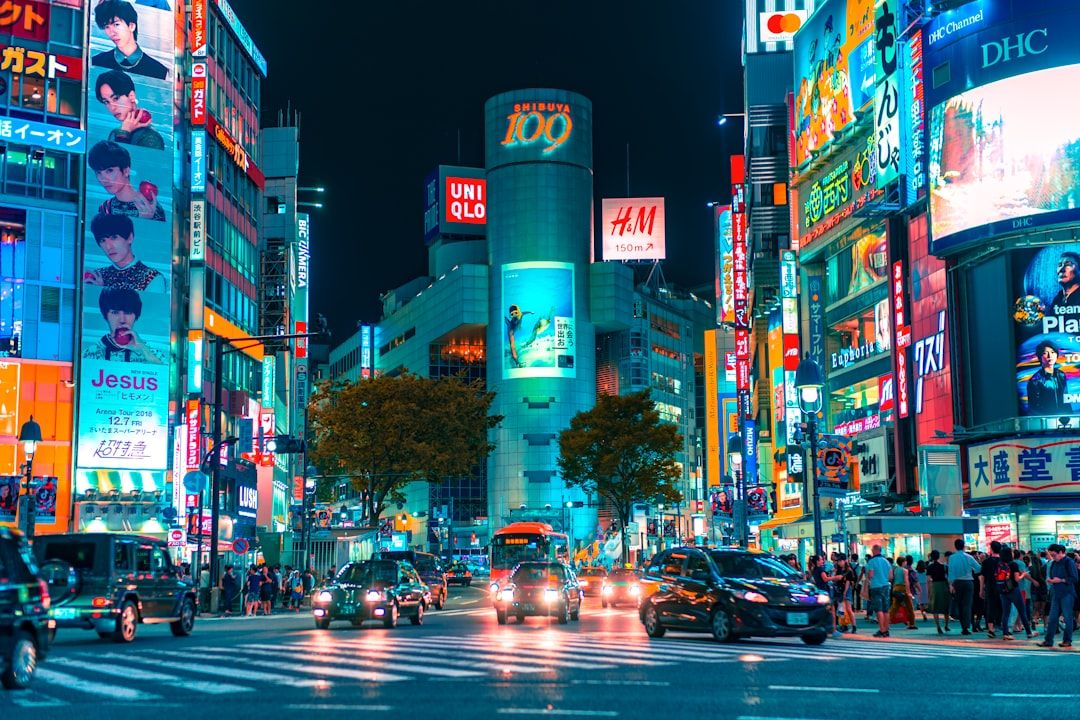
Shibuya and Shinjuku for the density and the neon; Yanaka and Yanesen for the low-rise old-Tokyo streets that survived the war; Asakusa for Senso-ji, early before the coaches; Shimokitazawa or Koenji for second-hand shops and small bars.
The Tsukiji outer market still trades in food even though the wholesale auctions moved to Toyosu. Go for breakfast.
Day five: Hakone
An overnight or a long day trip toward Mount Fuji. The classic loop uses a mountain railway, a cable car, a ropeway over a volcanic valley and a boat across the lake, and it is more enjoyable than that sounds.
Stay in a ryokan with an onsen if the budget allows — it is the right point in the trip for it, and Hakone is where it is easiest to arrange.
Fuji is shy. It is frequently hidden by cloud, and clearer in the colder months. Treat seeing it as a bonus.
Days six to ten: Kyoto
Five nights, because Kyoto rewards early mornings and you want several of them.
Fushimi Inari's tunnel of vermilion gates is genuinely magical before seven in the morning and a queue by ten — it is open at all hours, which is the whole trick. Same principle at Arashiyama's bamboo grove.
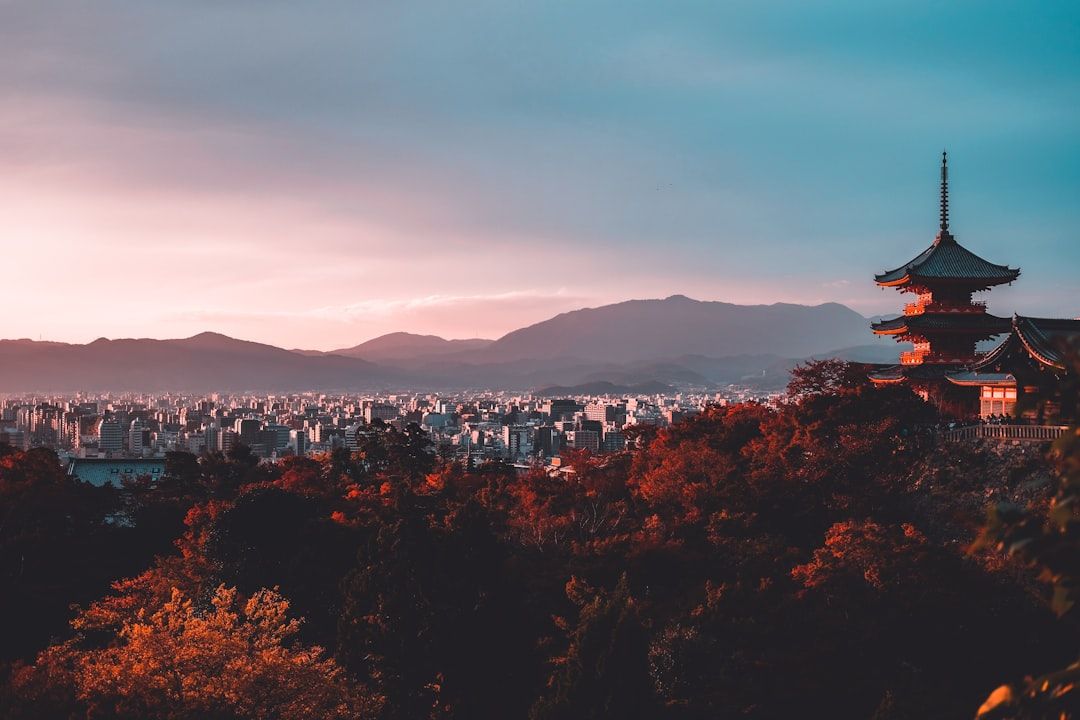
Otherwise: the Higashiyama streets, Kiyomizu-dera, the Philosopher's Path, and Nishiki market. Give at least one afternoon to nothing at all.
Nara is forty-five minutes away and worth a full day — Todai-ji houses an enormous bronze Buddha, and the deer in the park are wild animals rather than pets, however tame they look.
Days eleven and twelve: Hiroshima and Miyajima
The Peace Memorial Museum is a difficult, essential few hours. Plan a light afternoon afterwards.
Then the ferry to Miyajima, where the torii gate stands in the sea at high tide. Staying the night on the island after the day trippers leave is one of the quietest evenings in Japan.
Days thirteen and fourteen: back east
Return toward Tokyo, ideally breaking the journey. Kanazawa has one of Japan's great gardens and an intact samurai district; Takayama in the mountains is smaller and slower. Either makes a better final stop than a second run at Tokyo.
The rail pass question
The Japan Rail Pass is no longer automatically worth it — the price rose sharply and the maths changed. For a Tokyo–Kyoto–Hiroshima–Tokyo route it usually still pays. For Tokyo and Kyoto alone it often does not.
Price your actual legs individually and compare before buying. Note also that the pass does not cover the fastest Nozomi shinkansen without a supplement, which costs you a little time on the long runs.
Two things that make the trip easier
Forward your luggage. Takkyubin sends a suitcase hotel to hotel, usually overnight and cheaply. Crossing Tokyo or changing trains with a day bag instead of a case is transformative.
Get an IC card — Suica, Pasmo or the regional equivalent — for local trains, subways, buses and convenience stores. It removes the daily friction of buying tickets.
When to go
Cherry blossom in late March and April, and autumn colour in November, are the most beautiful and the most expensive and crowded. May, early June, late September and early October give you good weather and room to move. Avoid Golden Week at the start of May, when the whole country travels at once.