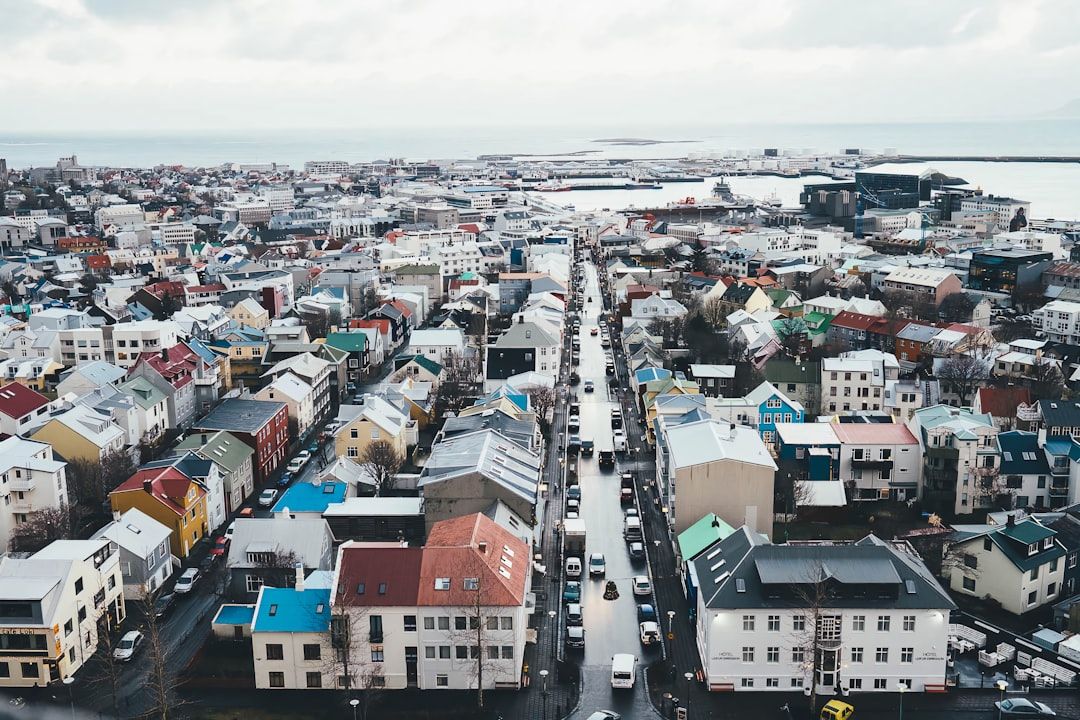
Seven days in Iceland forces one real decision: drive the whole Ring Road, or go out along the south coast and come back. Both are defensible. Most first-time visitors would enjoy the second more and choose the first.
The arithmetic
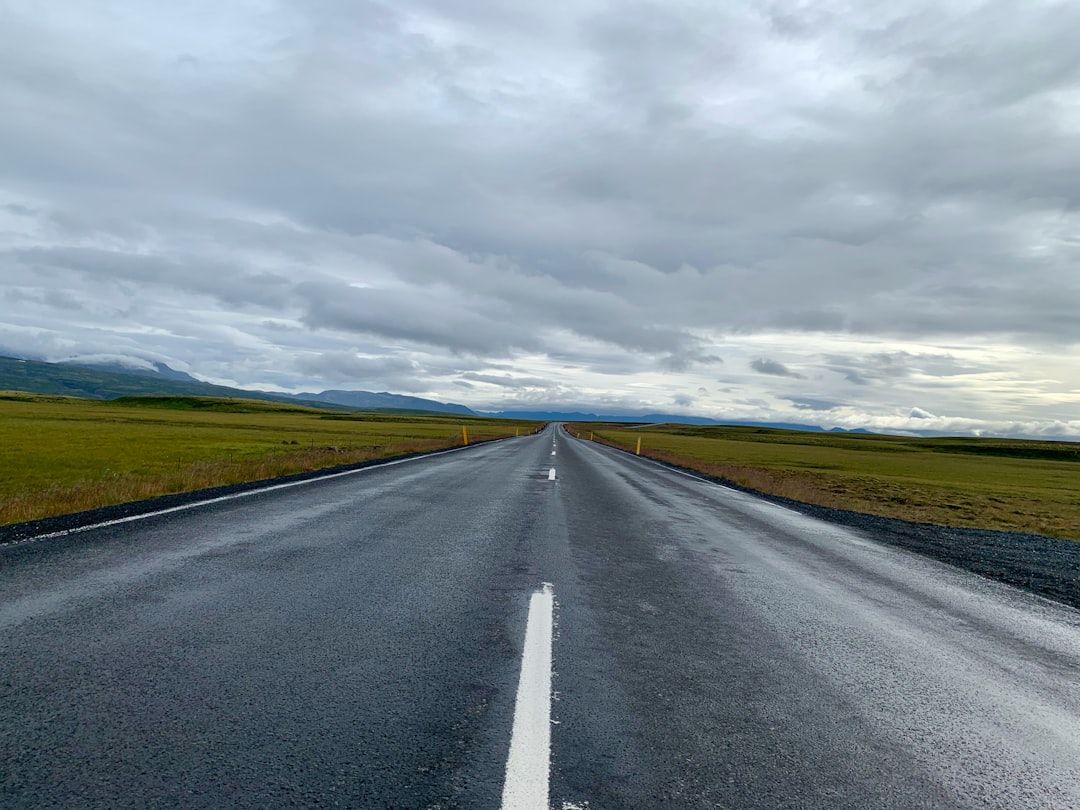
Route 1 is about 1,330 km without a single detour. Over seven days, with one day lost to arrival and one to departure, that is roughly 250 km a day on roads with a 90 km/h limit, frequent single-lane bridges and weather that slows you further.
It is doable. It also means three to four hours behind the wheel most days, and passing things you would have stopped for.
| Plan | Driving | Character |
|---|---|---|
| Full Ring Road, 7 days | ~3–4h/day | Sees everything, stops at little |
| South coast out and back | ~1.5–2h/day | Fewer places, properly seen |
| Full Ring Road, 10 days | ~2–2.5h/day | The comfortable version |
The south coast week (recommended)
Day 1. Arrive, collect the car, stay near Reykjavik. If you land early, the Reykjanes peninsula between the airport and the city has lava fields and geothermal areas and is usually skipped.
Day 2 — Golden Circle. Þingvellir, where the tectonic plates separate and the parliament met from 930 AD; Geysir, where Strokkur erupts every few minutes; and Gullfoss. All within a short loop east of the capital. Sleep around Hella or Hvolsvöllur.
Day 3 — waterfalls and black sand. Seljalandsfoss, which you can walk behind, and Skógafoss. Then Dyrhólaey and Reynisfjara, the black beach at Vík. The waves at Reynisfjara kill people. Sneaker waves arrive without pattern far up the beach; stay well back and never turn your back on the water.
Day 4 — Skaftafell and the glacier. Vatnajökull National Park, the Svartifoss hike, and a guided glacier walk if you want one.
Day 5 — Jökulsárlón. The glacier lagoon, with icebergs calving into it and washing up on Diamond Beach opposite. This is the furthest point and the single most striking place on the route.
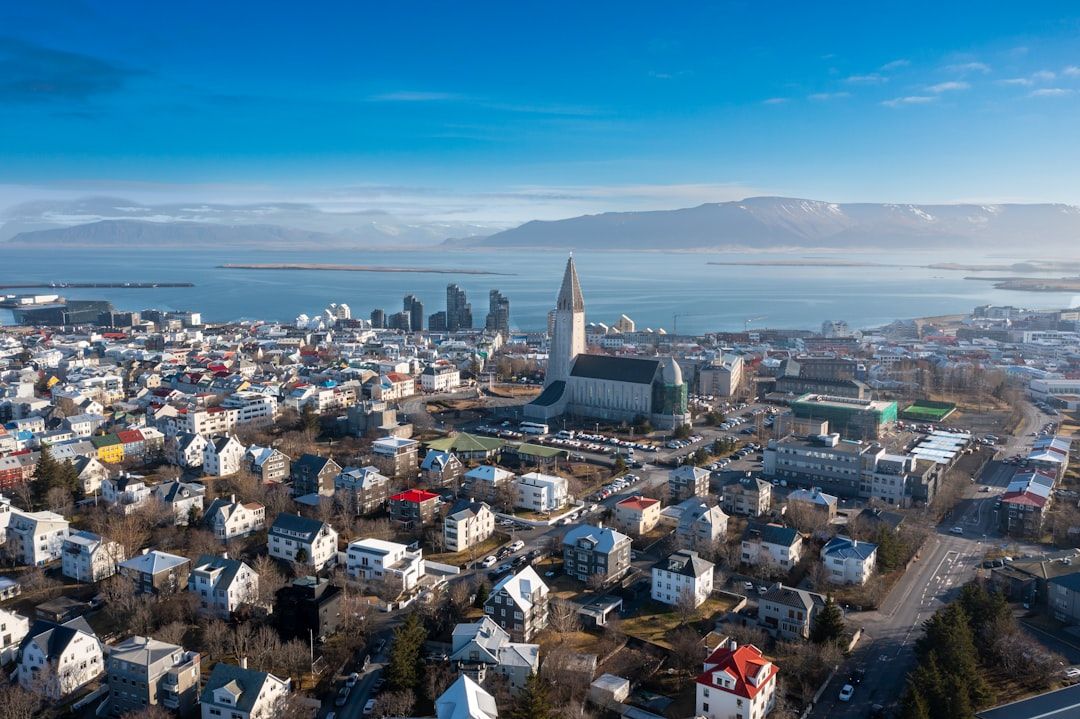
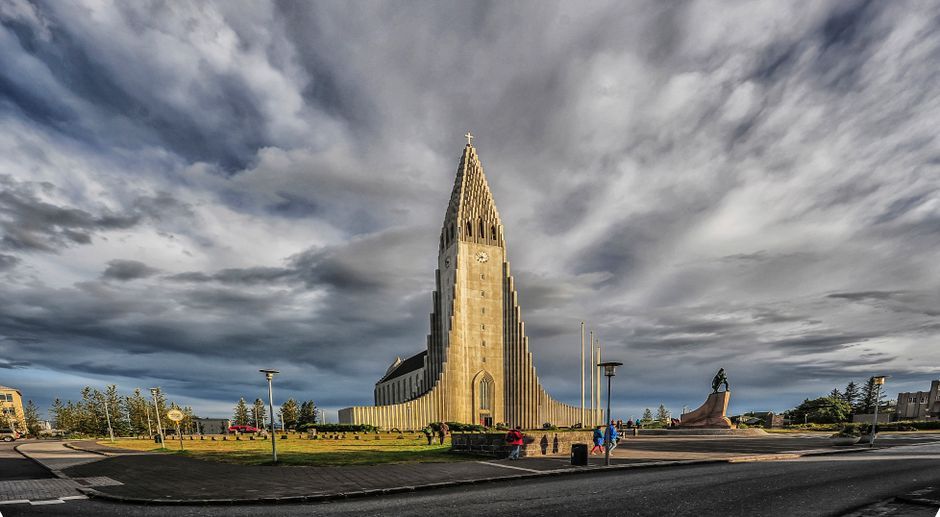
Days 6–7. Return west, stopping at what you drove past, and a final night in Reykjavik. The city deserves a proper look: Hallgrímskirkja, the harbour, and the Sundhöll or Laugardalslaug pools, which are where Icelanders actually go rather than the Blue Lagoon.
If you do the full Ring Road
Go anticlockwise — south coast first — so the long empty eastern fjords come mid-trip when you are used to the driving. Budget Mývatn in the north for a full stop; it has the geothermal area, the nature baths and Dettifoss nearby, and it is the north's answer to the south coast.
Do not attempt the Westfjords as well. They are wonderful and they are a separate week.
The car and the money
Two insurance items are not optional in practice. Gravel protection, because chipped windscreens are near-universal. Sand and ash protection, because south-coast sandstorms can strip a car's paint entirely and the bill runs to thousands. Neither is covered by standard collision waiver.
A 2WD is fine for Route 1 and the south coast. A 4x4 is legally required for F-roads into the highlands, which are open roughly late June to early September and involve unbridged rivers that most insurance excludes anyway.
| Item | Typical |
|---|---|
| 2WD rental, per day | ISK 9,000–16,000 |
| Fuel, per litre | ISK 300–340 |
| Guesthouse double | ISK 20,000–32,000 |
| Meal out | ISK 3,500–6,500 |
Iceland is expensive and there is no trick to it. Supermarket food from Bónus or Krónan, and the ubiquitous petrol-station hot dog, are how people manage the budget.
Weather is the real variable
Check vedur.is for weather and road.is for road status every morning. This is routine here, not paranoia. Roads close for wind and snow at short notice, and wind strong enough to tear a car door off its hinges is a documented and uninsured event — open doors carefully, holding them.
Never plan to drive to the airport on the morning of your flight from far away. Stay within 90 minutes of Keflavík the night before.