5 Days in Iceland: Ring Road Highlights Itinerary 5 Days in Iceland: Ring Road Highlights Itinerary In this structured and realistic 5-day itinerary for...
The Itinerary Editorial
September 21, 2026 · 6 min read
5 Days in Iceland: Ring Road Highlights Itinerary
5 Days in Iceland: Ring Road Highlights Itinerary
The Ring Road of Iceland: An Overview
Iceland
The Ring Road, officially known as the Coastal Highway, is a 300-mile (482-kilometer) scenic route that winds its way around Iceland's rugged coastline. This winding road allows travelers to experience the diverse landscapes, dramatic scenery, and unique Icelandic wildlife of this impressive country.
The Ring Road offers visitors a chance to see everything from expansive glaciers, bubbling geysers, and crystal-clear waterfalls to dense forests, old-fashioned villages, and historic sites such as Thingvellir National Park. The highlight of the journey is undoubtedly the opportunity to see Iceland's iconic natural wonders like the Blue Lagoon, Geysir, and Gullfoss.
Day 1: Arrival in Reykjavik
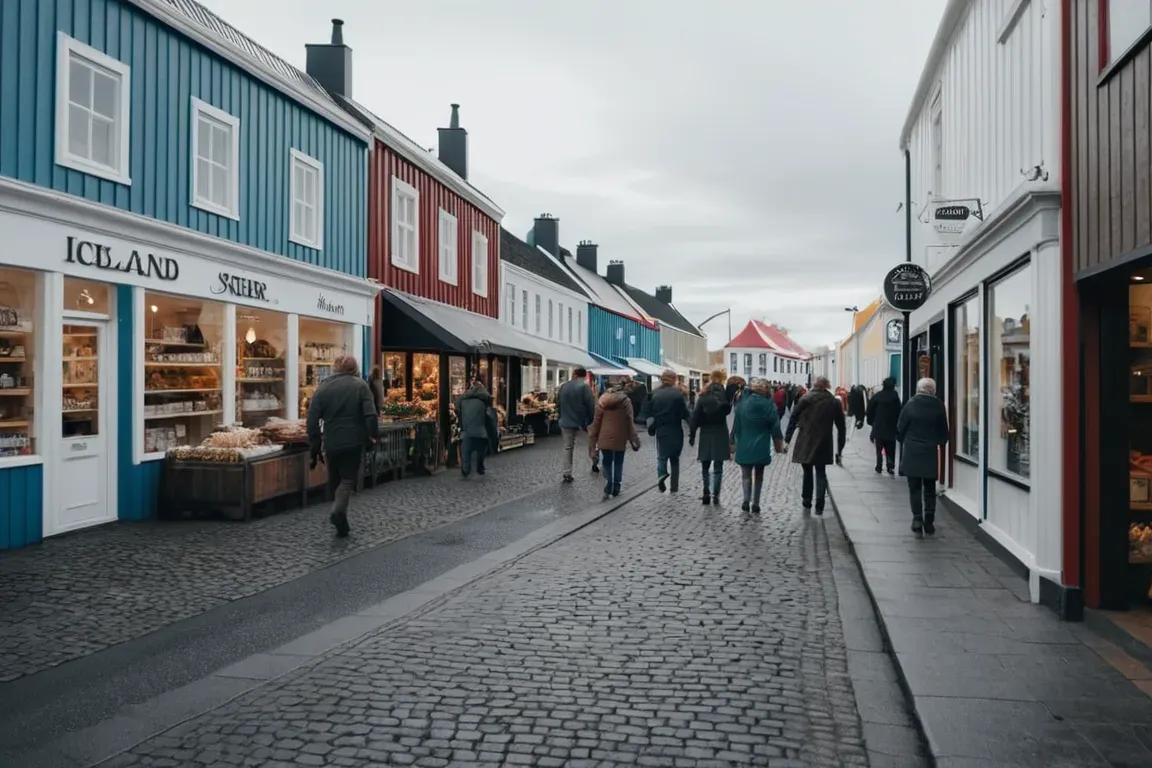
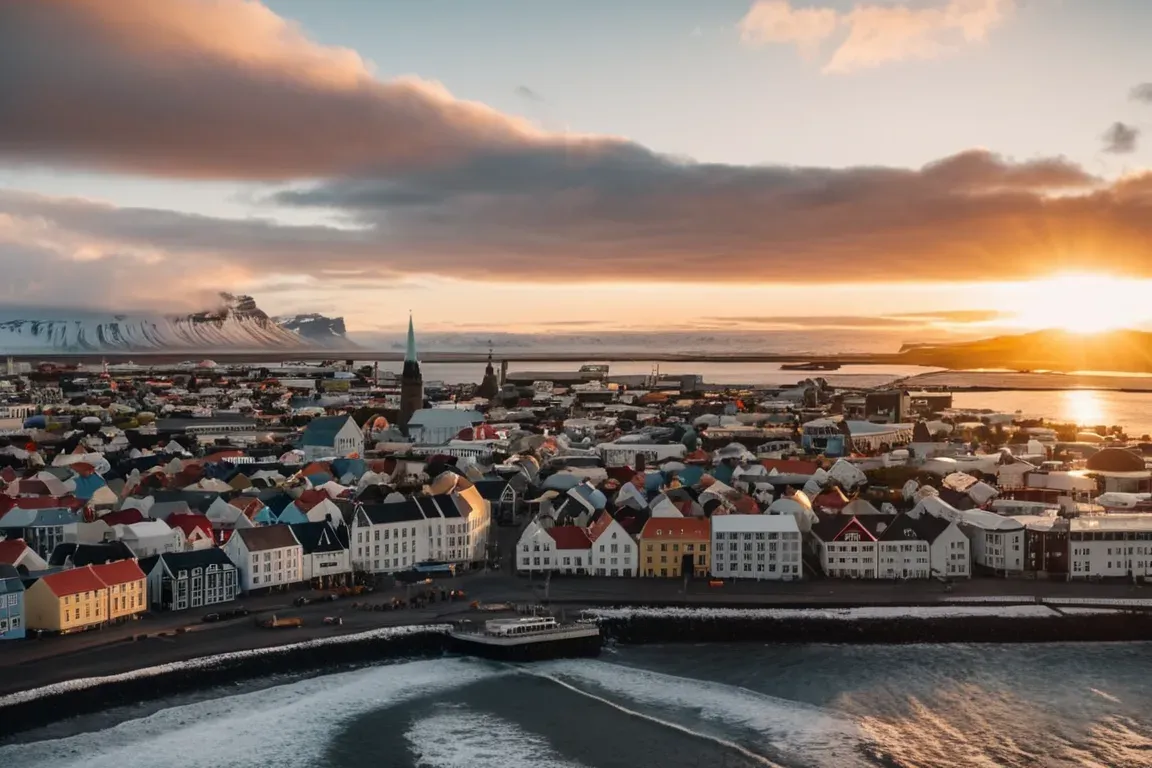
Arriving at the capital city of Reykjavík on Day 1 of your trip, you'll be greeted by a beautiful view of its historic harbor and the surrounding mountains. Reykjavík is also known for its unique culture; it's where you can explore museums like the National Museum of Iceland or enjoy traditional Icelandic cuisine at local restaurants.
The city itself offers numerous attractions to discover, including the Akureyri Art Center with exhibits on Iceland's history and culture, as well as a variety of shopping opportunities. Don't miss out on visiting the Blue Lagoon, which isnt only one of the country's top natural wonders but also a place where you can enjoy the mineral-rich water in its warm therapeutic pools.
Day 2: Northern Reykjavík
Head north to explore some of Iceland's most unique and beautiful landscapes. Visit Skogafoss, one of the largest waterfalls in Europe, which offers striking views from various angles. The nearby Jökulsárlón Glacier Lagoon is another worth seeing destination; here you can see glaciers break off into icebergs that float by on rafts.
For those with an adventurous spirit, head to the famous Golden Circle area, which includes the Thingvellir National Park and Geysir geothermal area. The park provides a glimpse into Iceland's ancient history as it features two of the world's most significant rift zones: the Mid-Atlantic Ridge and the Thingvellir Trench.
If youve time, take a day trip to Vatnajökull National Park where glaciers are constantly changing; this is an excellent place for hiking and exploring. Don't forget to stop at Seljalandsfoss, another impressive waterfall that offers unique views while walking behind it.
Day 3: South of Reykjavík
Today's trip will take you south on the Ring Road where you'll pass by some of Iceland's most famous attractions. The Golden Circle route is one of the best for hiking, and there are various trails within this area that offer impressive views. Among these trails, the Jökulsárlón Glacier Lagoon and Seljalandsfoss trail in particular provide great opportunities to see glaciers up close.
You can also make a stop at Kirkjufell Mountain or hike down to the beach of Thingvellir where you can experience a unique view of Iceland's rifts. This area is known for its dramatic landscapes, geothermal activity, and cultural significance with over 100 years of Viking history dating back to the year 930.
Day 4: South Coast
After spending Day 3 in Reykjavík or the Golden Circle area, you might want to head south along the famous South Iceland route. The route offers a chance to see some of Iceland's most dramatic landscapes such as Breiðamerkurjökull Ice Cave and Ígeir Waterfall.
For those who enjoy nature walks, consider visiting the Skaftafell Nature Reserve, where you can explore the diverse flora and fauna of the area while enjoying impressive views. Don't miss out on exploring the Jökulsárgljúfatar cliffs or visiting the pretty Vatnajökull National Park.
If youve a thirst for adventure, consider heading to Dettifoss, one of Iceland's most powerful waterfalls, located near the town of Fludir. Dettifoss is known for its strong spray that can reach heights of over 50 meters (164 feet), making it an excellent spot for adrenaline junkies.
Day 5: Westfjords
Finally, on Day 5, you'll travel west to the Westfjords region. This area offers some of Iceland's most impressive natural wonders such as Thingvellir National Park, which is home to Europe's oldest rift valley and one of the world's largest geothermal areas.
In particular, consider visiting Kirkjufell Mountain, a popular hiking destination known for its steep cliffs and dramatic views. Another worth seeing location here is Gullfoss, which is the second-highest waterfall in Iceland and offers striking views from all angles.
After exploring the Westfjords region, you can head back to Reykjavík or continue your journey towards Europe with a stop at Akureyri Art Center before heading home. This day will offer you ample time to explore and discover more about Icelandic culture and natural beauty.
Frequently Asked Questions
Q: What is the best season for visiting Iceland?
A: The best seasons for visiting Iceland are typically during June, July, or August when the weather is mild, and many of Iceland's most popular attractions open. However, if you prefer to avoid crowds and higher prices, fall (September) can be a great time as well.
Q: How do I get around Iceland?
A: The Ring Road allows visitors to easily navigate the country without needing any special equipment or transportation except for a car. Renting a car is a common choice due to its flexibility, but public transport also exists in Reykjavík and other major cities with buses, trams, and trains.
Q: Are there any specific accommodations you recommend?
A: Depending on your budget, options range from luxury hotels near the Ring Road to cozy cabins in rural areas. Popular choices include Iceland's four-star hotels like Hotelikur Ólafsvíkingar or B&Bs where travelers can experience traditional Icelandic hospitality.
Q: What are some worth seeing attractions outside of Iceland's main cities?
A: Outside of Reykjavík, there are several quiet spots worth visiting such as the Blue Lagoon in Flúðir, the Jökulsárlón Glacier Lagoon near Vatnajökull National Park, and the Thingvellir National Park. These areas offer unique natural landscapes and cultural experiences that are often overlooked during a typical visit to Iceland's main cities.